Home › Gravel-to-Asphalt Conversions
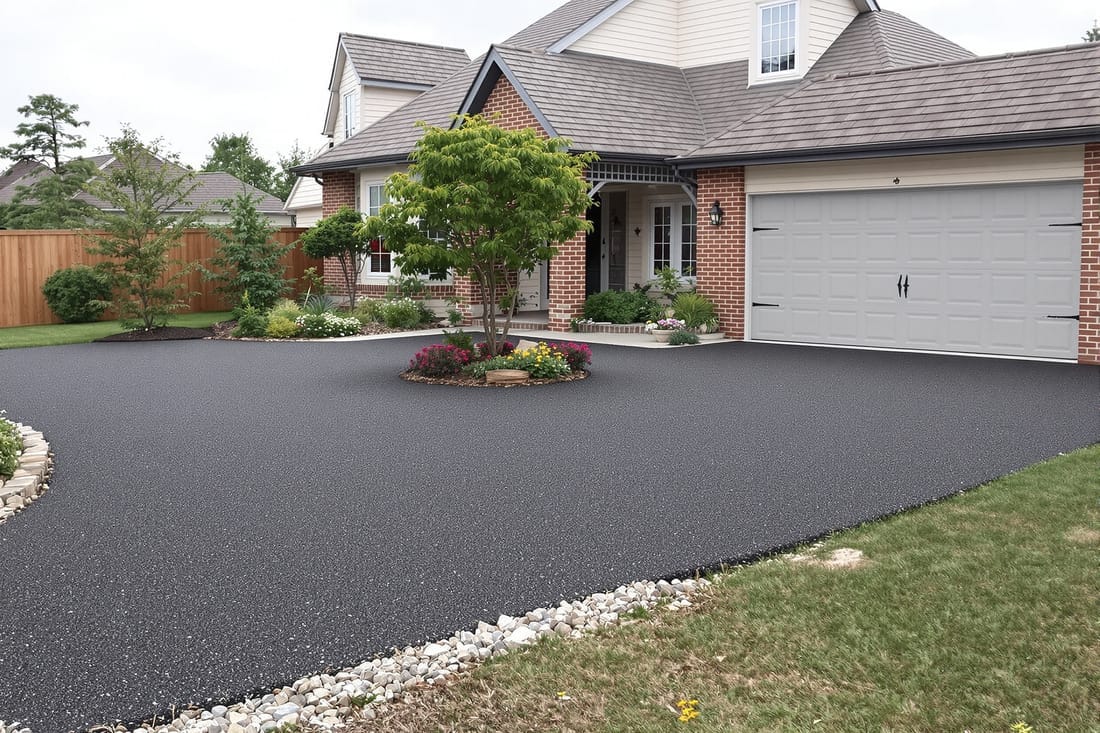
Upgrade from dust and mud with a gravel to asphalt driveway conversion in Huntsville, AL. We regrade your existing gravel, add base where needed, and pave a clean asphalt surface that is easier to drive and maintain.
Precision Asphalt Huntsville provides professional gravel to asphalt driveway throughout Huntsville, AL, Alabama and the surrounding area. Our licensed, insured crew delivers safe, clean, on-time work with a free estimate before anything begins. Call (256) 292-9329 or request your free quote.
Turn Your Gravel Driveway Into Smooth Asphalt in Huntsville
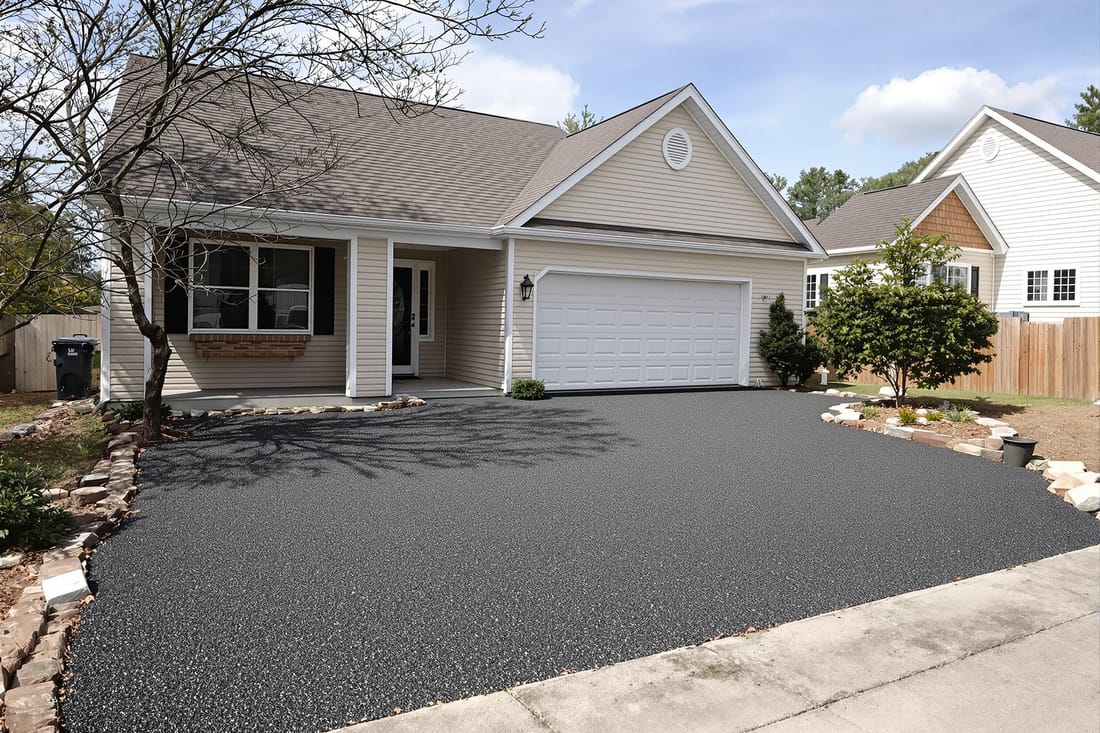
If you are tired of dust, ruts, and loose rock every time you pull into your driveway, a gravel to asphalt driveway conversion can be a big quality of life upgrade. At Precision Asphalt Huntsville, we specialize in taking existing gravel drives and turning them into clean, smooth asphalt surfaces that hold up to North Alabama weather.
A proper conversion is more than just putting blacktop over gravel. We look at how water currently moves across your property, how soft or firm the existing base is, and what kind of vehicles use the driveway. A short, flat residential driveway in Jones Valley is treated differently than a long, sloped drive out toward New Market or Hazel Green.
Before we recommend anything, we walk the driveway with you. We look for soft spots, standing water, signs of washouts, and areas where gravel has migrated into your yard or ditch. We talk about what you want from the finished surface, from appearance to how heavy the traffic will be. That way, the design of your new asphalt driveway actually fits how you live, instead of being a one size fits all overlay.
How Gravel to Asphalt Driveway Conversions Work Step by Step
Most Huntsville homeowners are surprised at how much of the project is below the surface. Here is how a typical gravel to asphalt driveway conversion works with Precision Asphalt Huntsville.
1. Evaluation and planning. We start by checking the depth and condition of your existing gravel. In many older driveways around Huntsville, the gravel layer is thin or mixed with clay. If the base is not thick or stable enough, we plan for additional base stone and possible undercutting of soft areas.
2. Grading and drainage corrections. Using grading equipment, we shape the driveway so water runs off instead of pooling. In areas like Monrovia and Meridianville, where red clay holds water, this step is critical. We may add a slight crown in the center of the drive or a gentle slope to one side so rain moves to the edge and into a ditch or yard, not back toward your garage.
3. Base repair and compaction. Soft or pumping spots are dug out and replaced with crushed stone, typically a dense graded aggregate like crusher run. We install it in lifts, then compact with a vibratory roller until the base is firm and does not shift under the roller or your feet. A strong base is what prevents future potholes and wheel ruts.
4. Tack coat and asphalt paving. Once the base is prepped and compacted, we apply a tack coat so the asphalt bonds to the stone layer. Then we install hot mix asphalt at a thickness that matches your use. Most residential gravel to asphalt driveway projects in Huntsville use a single 2 to 3 inch surface course, but heavier use drives or steeper slopes may also get a separate base course for extra strength.
5. Rolling, edges, and tie ins. After the asphalt is laid, we roll it to achieve a tight, smooth finish. At the edges, we can either taper the asphalt into the yard or form a more defined edge, depending on your preference. We also pay close attention to the tie in where your new asphalt meets the street or garage slab so you do not end up with a lip or trip point.
6. Cleanup and curing guidance. Before we leave, we remove loose gravel from nearby grass, blow off surfaces, and go over how to treat your new driveway during the first few days and weeks. For example, we recommend no parking in the exact same spots for long periods during the first summer heat, and caution with heavy trailers while the asphalt is still curing.
Pricing, Thickness, and Options That Affect Your Cost
Two gravel to asphalt driveway conversions in Huntsville can look similar from the street but cost very different amounts. What drives the price is mostly what you cannot see: base work, drainage, and asphalt thickness.
Base preparation is usually the biggest variable. If your gravel driveway already has a deep, well compacted stone base that has been in place for many years, we may only need light reshaping and compaction. On the other hand, if your drive is basically a thin layer of gravel over red clay, we will need to undercut soft areas and haul in additional crushed stone. More excavation and more stone means more cost, but it also prevents expensive problems later.
Asphalt thickness and mix type matter too. For a typical home with cars and light trucks, a 2 to 3 inch compacted asphalt layer is usually enough. If you routinely park heavier work trucks, RVs, or equipment, we may recommend a thicker structure, either by adding an asphalt base course or increasing the surface course thickness. In some North Alabama rural properties with steep grades, we may also use a mix with slightly more stone for extra traction and durability.
Driveway length, width, and layout also affect cost. Long, winding driveways like we often see on larger lots near Lacey Springs or around the foothills require more grading time to keep water from cutting across the surface. Tight curves or areas where we have to work between trees or fences can add labor as well, since equipment access is trickier.
We are always upfront about these factors at Precision Asphalt Huntsville. During your estimate, you will see line items for base repair, tonnage of gravel and asphalt, and any drainage work like adding a small swale or reworking a culvert area. That way you can understand where your money is going and decide which upgrades matter most for your driveway.
Common Gravel Driveway Problems We Solve in Huntsville
Most calls we get about gravel to asphalt driveway projects in Huntsville come from the same headaches: mud, washouts, and constant raking. Our goal is to fix the underlying problem, not just cover it with a new surface.
Ruts and potholes are usually a sign of a weak base or poor drainage. If your tires sink into the same paths every time it rains, asphalt alone will not solve it. We identify the low spots, check for trapped water, and rebuild those sections of the base before paving. Once the asphalt is in place, the load is spread out over a larger area, which keeps the foundation from pumping and breaking down.
Washboarding and loose stone on hills are another common issue, especially on sloped drives leading up to homes in the hills around southeast Huntsville. With asphalt, we can create a consistent slope with a smoother texture that gives your tires grip without the ridges and sliding you get with loose rock. Proper compaction and mix selection help the asphalt stay in place instead of raveling over time.
Dust and gravel scatter are big complaints for houses close to the road or with kids and pets. By converting to asphalt, you eliminate the constant dust cloud every time someone pulls in and out, which is especially nice during our dry late summers. Because the surface is solid, gravel no longer migrates into your yard, flower beds, or garage.
We also pay attention to how your driveway meets the street. In many older gravel drives, the transition to the city or county road is rough, with scattered rock in the gutter line. When we convert to asphalt, we create a clean, smooth tie in that satisfies local drainage and right of way conditions so you are not washing gravel into public ditches or storm drains.
What to Know Before You Schedule Your Conversion
If you are considering a gravel to asphalt driveway, a little planning goes a long way. At Precision Asphalt Huntsville, we like to walk customers through the timing, expectations, and care so there are no surprises.
Timing your project around weather is important in North Alabama. We pave most conversions in warmer, drier months so the base can be compacted correctly and the asphalt can be worked and rolled before it cools. Light rain is usually manageable, but extended wet spells can delay work, especially on clay-heavy properties that hold moisture.
Utilities and access should be considered too. Before work begins, we will request utility marking so we know where any buried lines may be near the driveway. If your only access to the house is the driveway we are paving, we will coordinate a schedule so you know when vehicles will need to be out and when you can drive on the new asphalt, usually the same or next day for normal passenger vehicles.
Maintenance expectations are also important. While asphalt is far lower maintenance than gravel, it still benefits from some basic care. Keeping edges trimmed so grass does not creep under the mat, avoiding sharp turns in the same spots with heavy vehicles, and considering sealcoating after the first couple of years can all extend the life of your investment.
Finally, think about any future changes you might want. If you plan to add a parking pad, a detached garage, or a turnaround, it is cheaper and easier to incorporate those into the design now than to add small pieces later. We can help you lay out extra parking near your home, widen tight entrances off county roads, or straighten awkward curves that make backing trailers difficult.
When you are ready, Precision Asphalt Huntsville can provide a clear, written proposal based on your specific driveway, not a generic square foot number. You will know exactly what base work, drainage improvements, and asphalt structure you are getting, so your new driveway performs the way you expect for years in Huntsville's climate.