Home › Asphalt Pathways, Sidewalks, and Trails
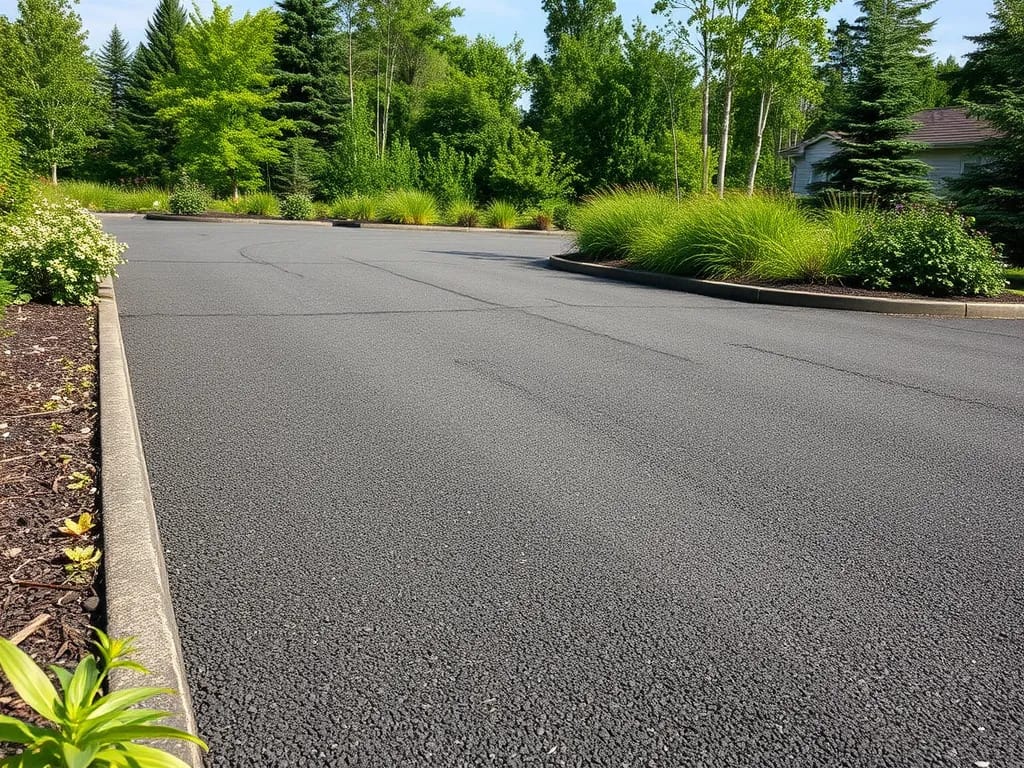
Connect your property with smooth, accessible routes using asphalt pathway paving in Huntsville, AL. We build walking paths, school routes, and multi use trails that are durable, low maintenance, and comfortable for pedestrians and cyclists.
Precision Asphalt Huntsville provides professional asphalt pathway paving throughout Huntsville, AL, Alabama and the surrounding area. Our licensed, insured crew delivers safe, clean, on-time work with a free estimate before anything begins. Call (256) 292-9329 or request your free quote.
Asphalt Pathways, Sidewalks, and Trails in Huntsville
If you are planning a new walking path, sidewalk, or multi‑use trail in Huntsville, you want something that looks clean, drains well, and can handle years of Alabama heat and storms. That is exactly what we focus on at Precision Asphalt Huntsville. We build asphalt pathways that work for your property, whether you need a short sidewalk to your front door or a network of trails through a commercial or municipal site.
In North Alabama, your pathway has to deal with summer temperatures on hot blacktop, sudden thunderstorms, and the occasional freeze that can widen small cracks. When we design asphalt pathways, sidewalks, and trails, we look closely at your site slope, soil type, shade, and how many feet or bikes will be using it. That lets us recommend the right asphalt mix, base thickness, and drainage plan rather than just laying a thin strip of blacktop that will ravel and break up after a couple of years.
Precision Asphalt Huntsville works with homeowners, HOAs, property managers, schools, churches, and local businesses throughout the Huntsville area. Whether you are tying together building entrances, connecting a parking lot to a playground, or adding a walking loop around a retention pond, we build the layout around how people will actually move on your property, not just the easiest way to run a paving machine.
How We Design and Plan Your Asphalt Pathway
Good asphalt pathway paving starts before any equipment shows up. Our first step is a site visit where we walk the proposed route with you. We look for low spots that might hold water, tree roots that could lift the surface later, and tight areas where we may need to hand‑work the edges instead of using standard machines. We also talk about who will use the path, for example strollers and wheelchairs, occasional maintenance trucks, or bicycles and joggers.
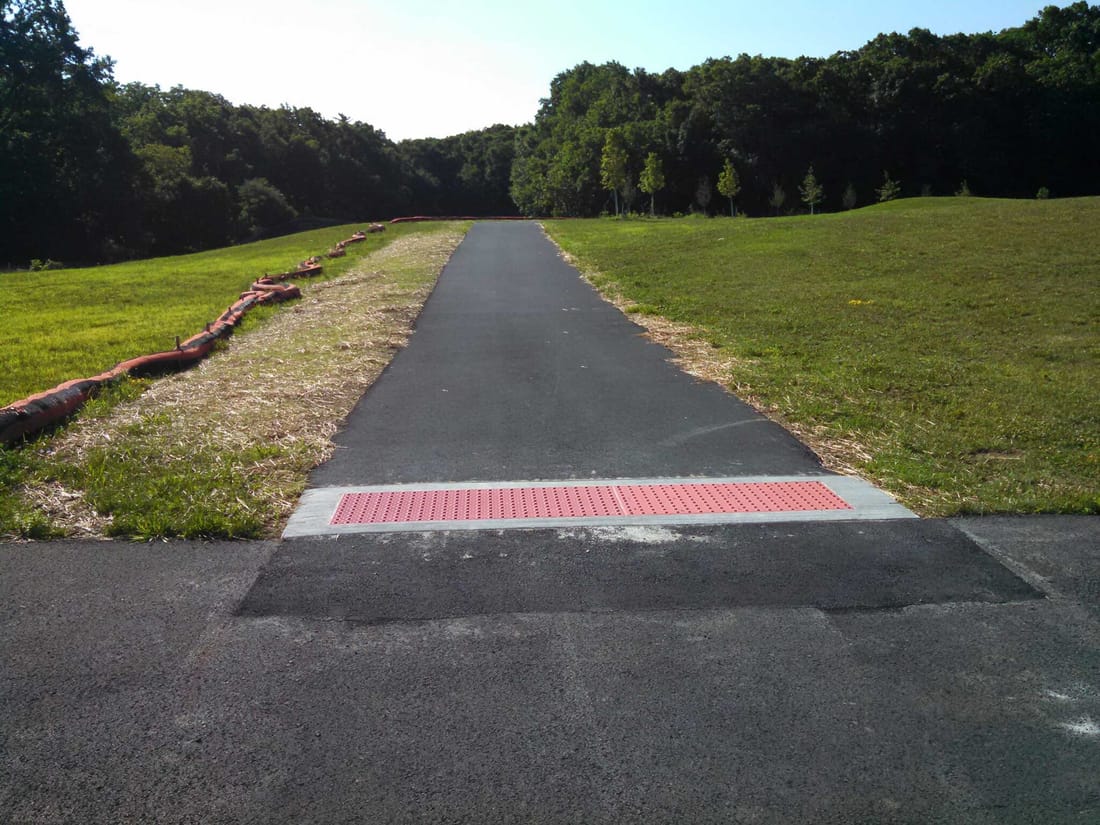
From there, Precision Asphalt Huntsville lays out the alignment and width. Residential walkways in Huntsville are commonly 3 to 4 feet wide, while neighborhood and park trails may run 6 to 10 feet. If you need accessibility for wheelchairs, we follow ADA guidelines for slope and cross‑slope, and we plan gentler transitions at driveways and road crossings so wheels do not hit a sharp bump.
We then discuss surface options and edges. Some customers prefer a very smooth finish for wheelchairs and inline skates. Others want a slightly textured surface along steep sections to improve grip when the path is wet. We talk through whether you want a raised asphalt edge, a concrete or brick border for appearance, or a flush transition into lawn or landscaping. At this stage we also decide how to manage drainage, for example slight side slopes, shallow swales along one side, or discreet drain inlets in low areas, which is particularly important with Huntsville’s fast, heavy summer downpours.
Before any work starts, you receive a written proposal that lays out the thickness of the base, asphalt type, expected timeline, and any optional add‑ons like striping for shared‑use paths, reflectors, or transitions to existing concrete.
What Actually Happens During Asphalt Pathway Paving
On paving day, our crew with Precision Asphalt Huntsville starts by marking utilities and confirming the final route. We remove grass, topsoil, and any soft or organic material along the path footprint. In Huntsville’s clay soils, we often have to go a little deeper in spots to reach firm subgrade so the pathway will not develop dips later. If the underlying soil is weak or holds water, we may add a layer of crushed stone or use a stabilization fabric before placing the base.
Next comes the base course. For most pathways, sidewalks, and trails we install 3 to 6 inches of compacted crushed stone, depending on expected use. A simple garden walkway might use the lighter end, while a community trail that occasional maintenance vehicles will drive on should have a thicker base. We shape this base to create the proper slope so water moves off the pavement instead of sitting in the middle.
After compaction of the base with a roller or plate compactor, we place hot mix asphalt. For lighter foot traffic, a 2 inch finished asphalt layer is common. For shared‑use trails with cyclists or light vehicle traffic, we usually recommend 2.5 to 3 inches in one or two lifts. We use smaller paving machines and hand tools so we can follow curves, cul‑de‑sacs, and tight areas. Our team hand‑tamps edges and transitions to make sure they are dense and smooth, which greatly reduces raveling along the sides.
Once the asphalt is in place, we compact it with a roller suited to the width of your path. We check for puddling with levels and visual inspection. If we find small low spots while the asphalt is still workable, we correct them on the spot. For multi‑use trails, we can add centerlines or directional striping after the pavement has cooled. Most asphalt pathways are ready for foot traffic within 24 hours, though we recommend waiting a bit longer before allowing vehicles if your path is designed for light service trucks.
Cost Factors, Common Problems, and How We Prevent Them
Pathway costs in the Huntsville area can vary widely, and we are straightforward about why. The biggest cost drivers are length and width, how much earthwork and base building is needed, thickness of the asphalt, and how much hand work is involved. A simple straight run along a flat yard is much less expensive per foot than a winding trail through trees that requires root removal, retaining edges, and careful grading.
Common problems we see with older asphalt pathways around Huntsville include ponding water, edges that crumble into the yard, and buckling where tree roots push up the surface. There are also pathways that were laid too thin, sometimes only an inch of asphalt over minimal base, which leads to early cracking in our temperature swings. At Precision Asphalt Huntsville, we address these by designing adequate base thickness, building a solid shoulder or edge support, and routing paths away from large root zones when possible.
Drainage is one of the biggest issues in our region. A path that holds water after every storm will fail early. We intentionally design cross‑slope and longitudinal slope so water finds a route off the pavement, and we cut shallow swales or install drains in problem areas. If you already have a pathway that puddles, we can sometimes correct it by milling high spots and overlaying, or by adding side drains to move the water away.
Another factor is timing. Asphalt pathway paving works best in Huntsville when temperatures are moderate and the ground is not saturated, usually spring through fall. In colder snaps, asphalt cools too quickly to compact properly on narrow paths. We schedule work around rain when possible, and if a sudden storm hits, we secure the site so the base does not wash out and reschedule the asphalt placement for a dry window.
To keep your investment in good shape, we also talk about maintenance. Crack filling and periodic sealcoating for heavier use trails can extend pavement life significantly. For light residential walkways, routine sweeping, clearing leaves, and addressing any small cracks early usually keeps them looking good for many years.
What Huntsville Property Owners Should Know Before Hiring
When you compare estimates for asphalt pathway paving, make sure each contractor is specifying the same basic structure. Ask about base thickness and type, asphalt thickness, and how they plan to handle edges and drainage. A low bid that skips base work or uses very thin asphalt can cost more in the long run if you have to rebuild sections after a few years.
At Precision Asphalt Huntsville, we encourage you to walk a few of our completed pathways if possible. Seeing how the surface drains after a rain or how the edges hold up next to grass can tell you more than any sales pitch. We are happy to point out projects similar to yours, such as school walking tracks, church sidewalks, or HOA trail loops.
Also think about how your path connects with the rest of your property. Will snow shovels or landscape equipment scrape it in winter? Do you need tie‑ins to existing concrete or steps? Should lighting, irrigation, or conduit be installed before paving? We coordinate with other trades when needed so you are not cutting into brand new asphalt to add a wire or pipe later.
If you are unsure about layout, let us flag a proposed route on the ground first. Walking it at normal pace often reveals small changes that improve comfort and safety, such as softening a curve, widening at a seating area, or adjusting a slope. Our goal at Precision Asphalt Huntsville is for your asphalt pathways, sidewalks, and trails to feel natural on your property and to hold up to Huntsville weather and use for many seasons.